Featured Talk · Experience POWER

Leveraging AI Across
the Utility Lifecycle

A look at the benefits of fleet-wide Energy Management and Reporting Systems (EMRS): a hard-wired AI closed-loop approach that respects operations, handles demand response, and has connected facilities with offsite utilities since 1998.

James E. Robinson, PE, P.Eng., CEM, CEP · Principal Project Engineer and Partner, DES · JRobinson@DESGlobal.com

Read the Overview ↓ Talk to Our Team
What This Talk Covers

The Questions Every Fleet Operator Is Asking

Why closed-loop AI succeeds where earlier optimization projects stalled, and what that means for rolling it out across more than one facility.

01

Why Early EMS Fell Short

Why traditional energy management optimization from the 1980s and 90s saw poor operational acceptance on the plant floor.

02

Control With a Personality

What changes when a control application honors the operator's own rule set instead of overriding it.

03

Rapid Deployment

How a standardized, rule-based architecture shortens the path from assessment to a running system.

04

Project Workflow

How this approach reshapes the assessment, execution, and maintenance workflow across a project.

Where EMRS Fits

Built for Large Fleets, Right-Sized for Every Facility

The same closed-loop intelligence scales from a single boiler room to a multi-site industrial fleet.

Large industrial riverfront powerhouse

Large Industrial Power Systems

Complex cogeneration and multi-fuel powerhouses integrated with offsite utilities and business units.
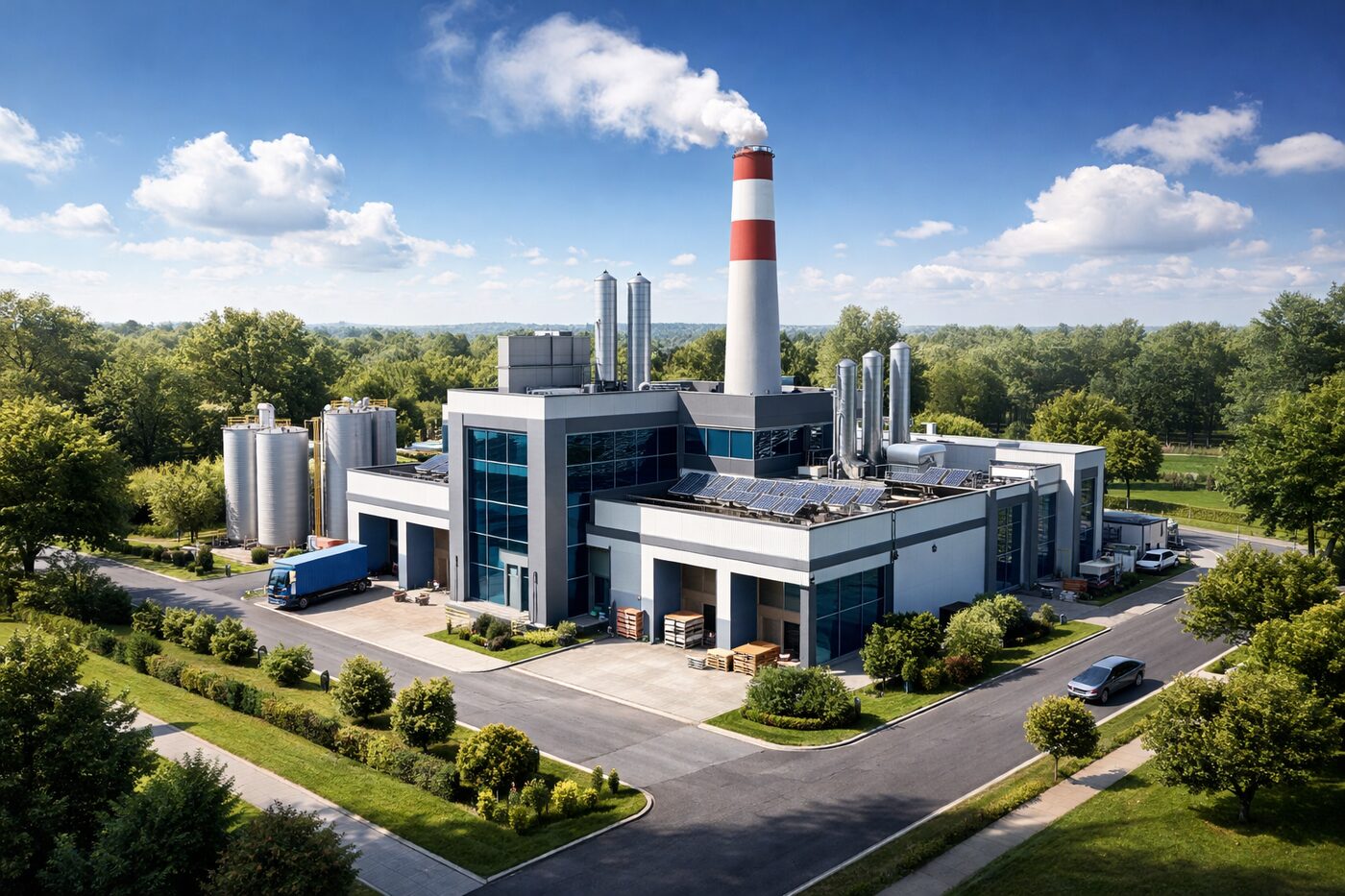
Medium and small industrial power plant

Medium & Small Industrial

The same intelligence as large systems, delivered through ControlMaxx: a scalable DCS in a box.

307Total Projects
100%Success Rate
$60MTotal Energy Savings
$244MProduction Increase

Across 22 performance-guarantee projects.
Large-Industrial Requirements

One System, Every Constraint Observed

A large-industrial EMRS has to satisfy the operator's own rule set while pulling the powerhouse, offsite utilities, and business units into a single intelligent system.

  • Personnel and equipment safety
  • Environmental compliance
  • Avoiding utility backout and facility blackout
  • Meeting local and corporate initiatives
  • Reducing operating cost
  • Integrating every piece of utility equipment into one intelligent system
Large industrial riverfront powerhouse
Case Study

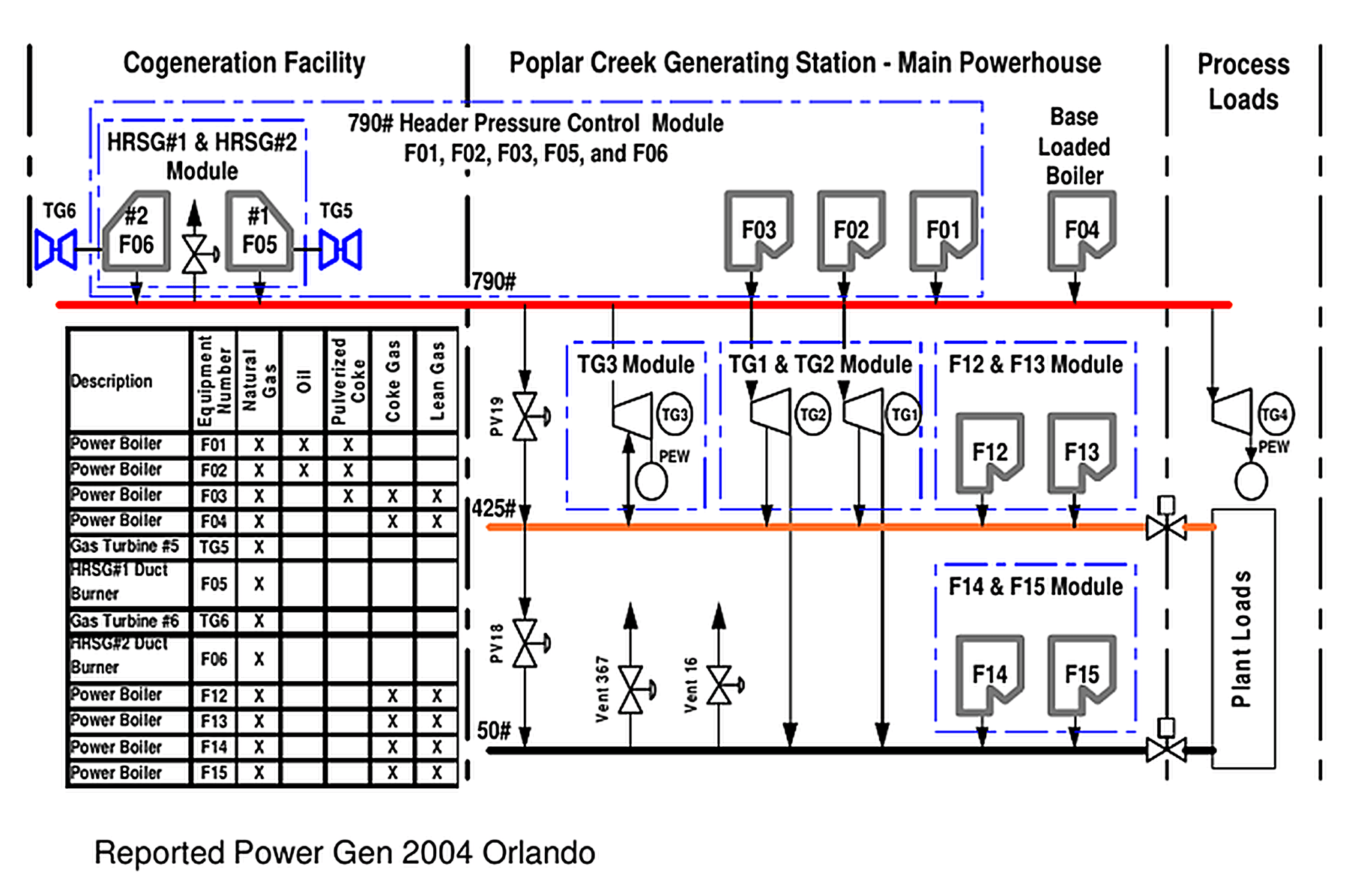
Poplar Creek Power Station

An oil sands cogeneration facility, dispatched from Calgary and presented at Power-Gen 2004 in Orlando as a reference large-industrial EMRS application.

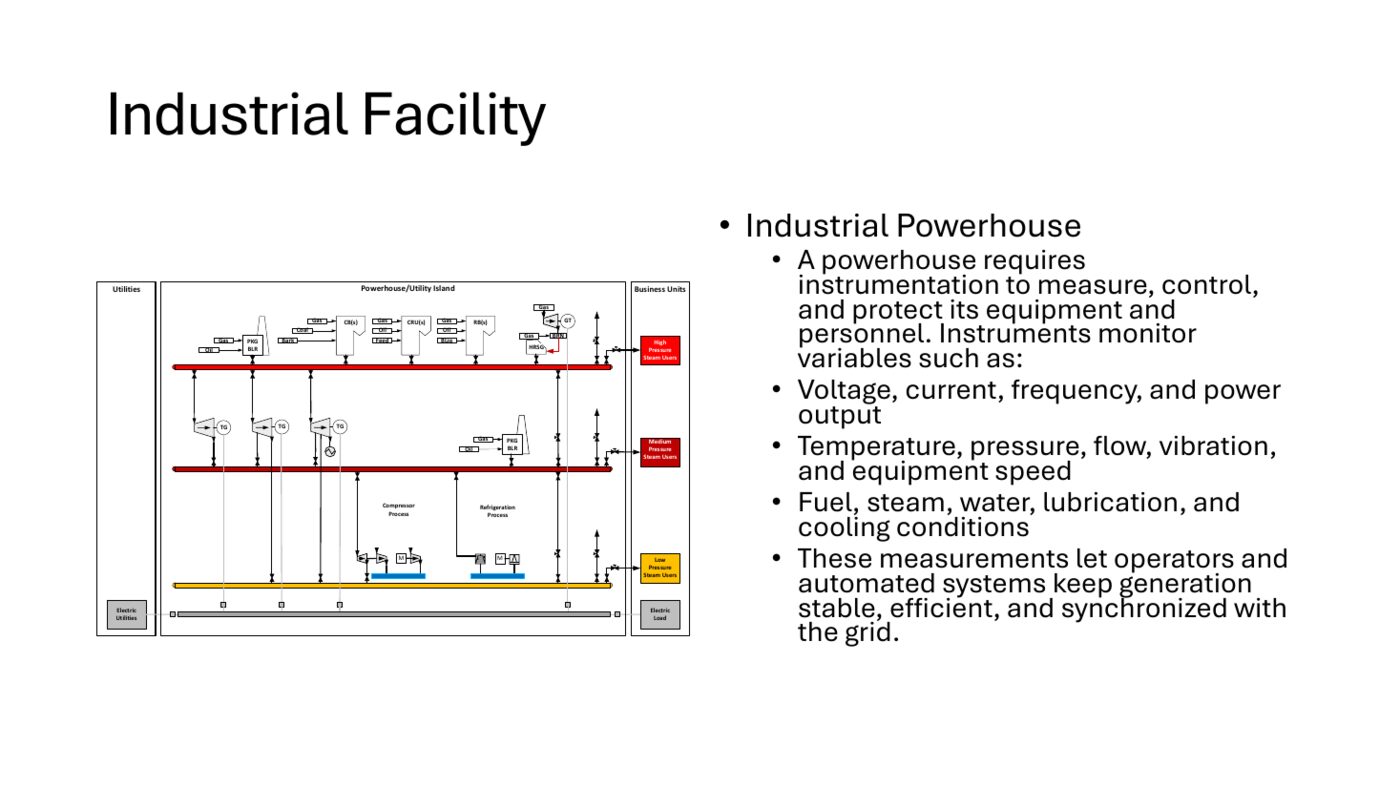
Poplar Creek Power Station cogeneration facility and main powerhouse diagram
7,500KPPH Steam Production
433 MWElectric Generation
8Power Boilers
2Gas Turbines + HRSG
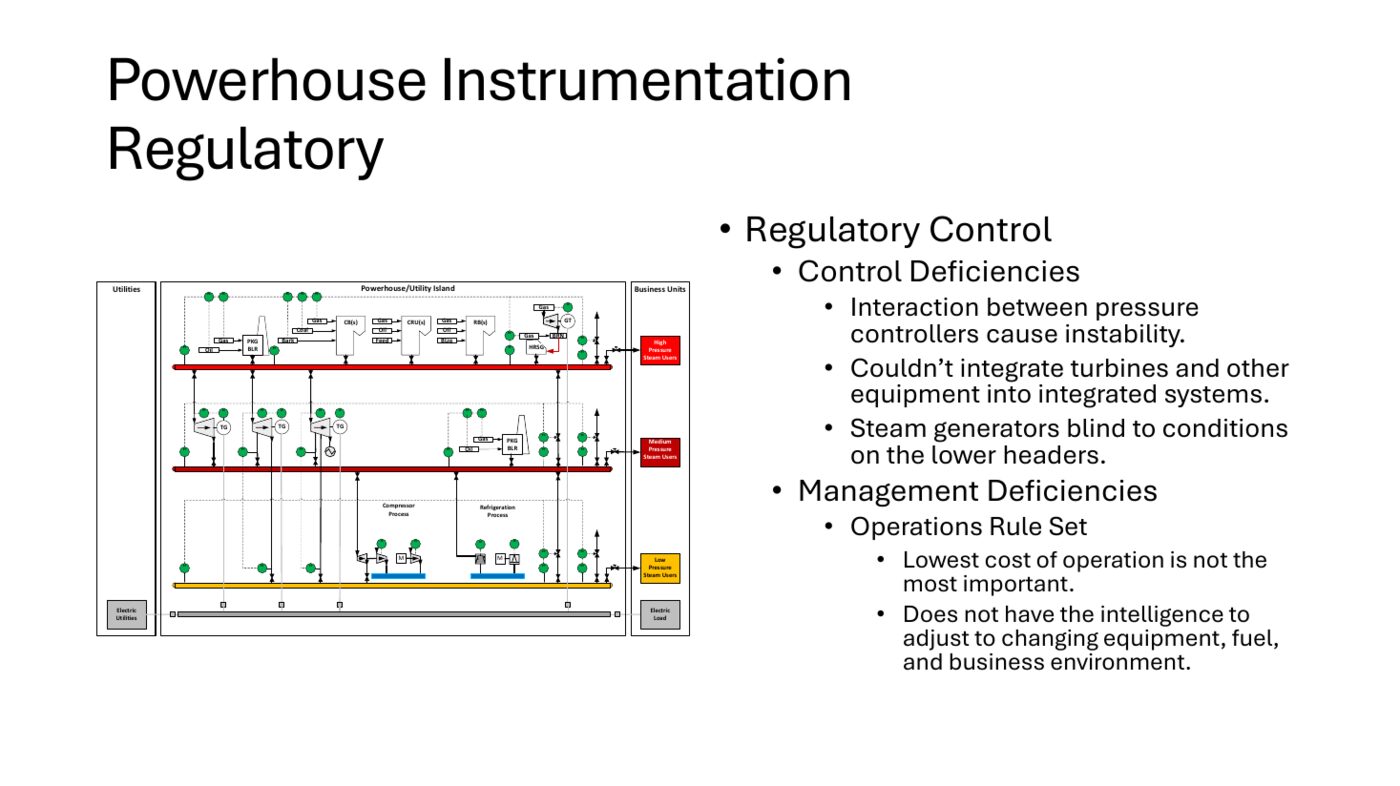
Where Regulatory Control Stops

Instrumentation Isn't the Same as Intelligence

A powerhouse needs instrumentation to measure, control, and protect its equipment and people. Regulatory control alone still leaves control and management gaps that EMRS is built to close.

Powerhouse, utilities, and business units integration diagram
Regulatory control gaps on a powerhouse diagram
The Controller

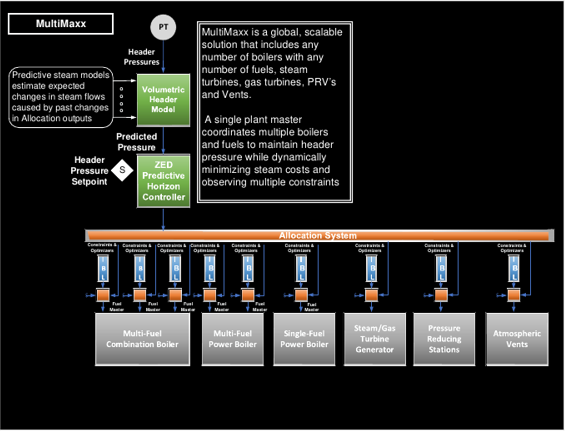
MultiMaxx: A Rule-Based Fuzzy Logic Controller

A new class of controller that supports multiple advanced process control optimizers, runs in milliseconds, and honors the plant's own operating modes.

MultiMaxx rule-based fuzzy logic controller architecture diagram
Beyond the Powerhouse

UltraMaxx: Business Units, Powerhouse, and Utilities

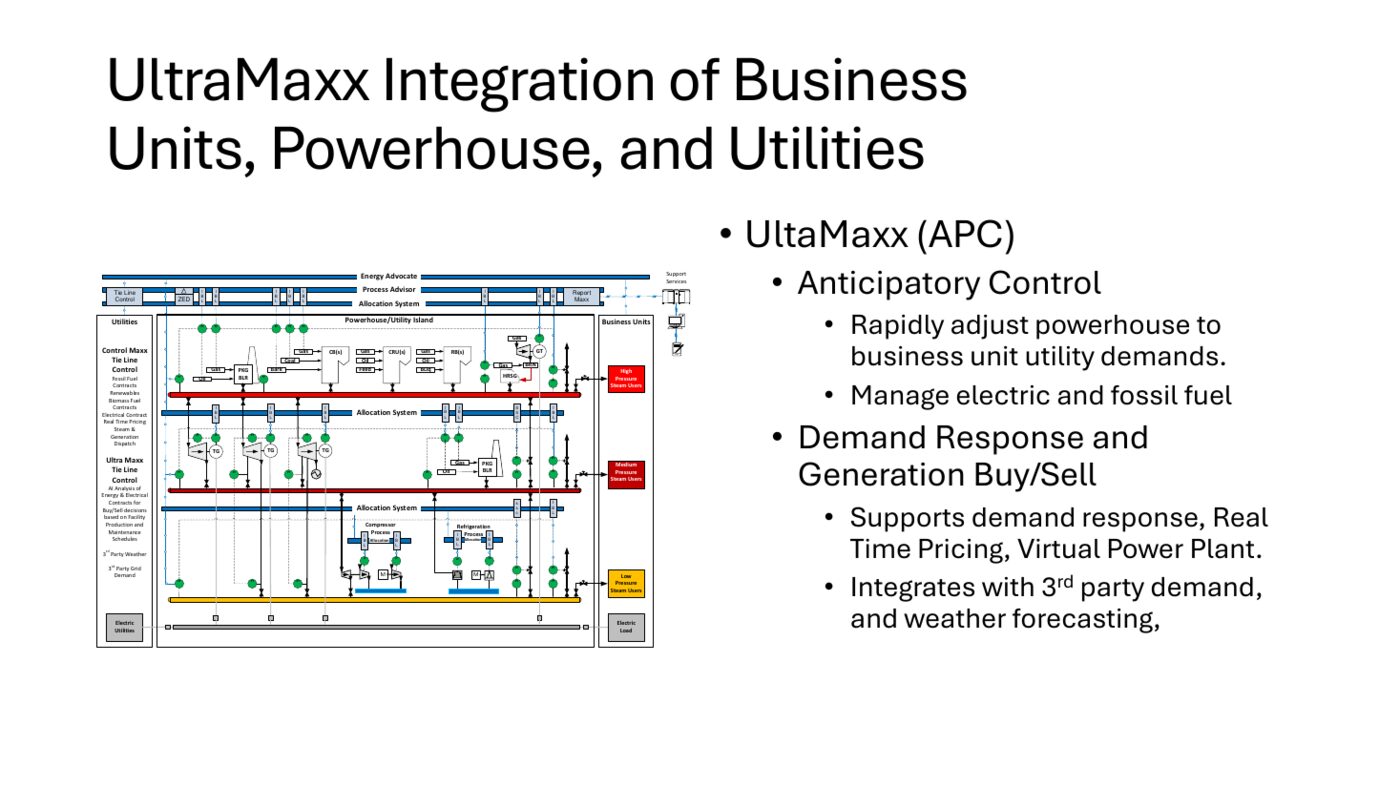
UltraMaxx adds anticipatory control: the powerhouse tracks business-unit demand and can participate directly in demand response, real-time pricing, and virtual power plant programs.

UltraMaxx integration of business units, powerhouse, and utilities
  • Rapidly adjusts the powerhouse to business-unit demand
  • Manages electric and fossil fuel together
  • Supports demand response, real-time pricing, and virtual power plant programs
  • Integrates third-party demand and weather forecasting
System Architecture

EMRS Structure: Allocation, Advisory, and Reporting

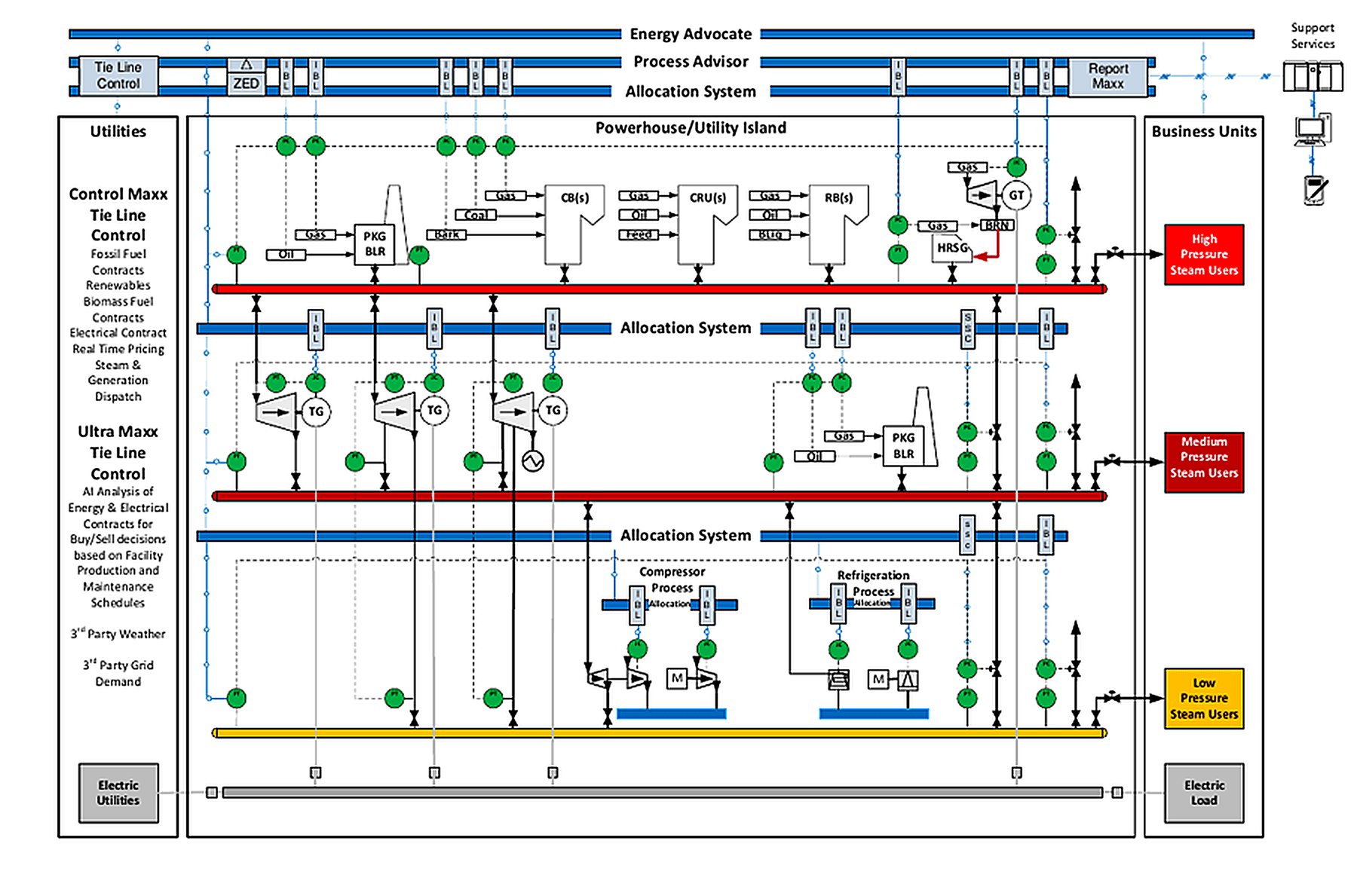
Allocation System, Process Advisor, Energy Advocate, and Support Services & Reporting sit above the powerhouse, utilities, and business units, working as one coordinated layer rather than separate point solutions.

EMRS structure diagram with Allocation System, Process Advisor, and Energy Advocate sitting above the Powerhouse/Utility Island, utilities, and business units
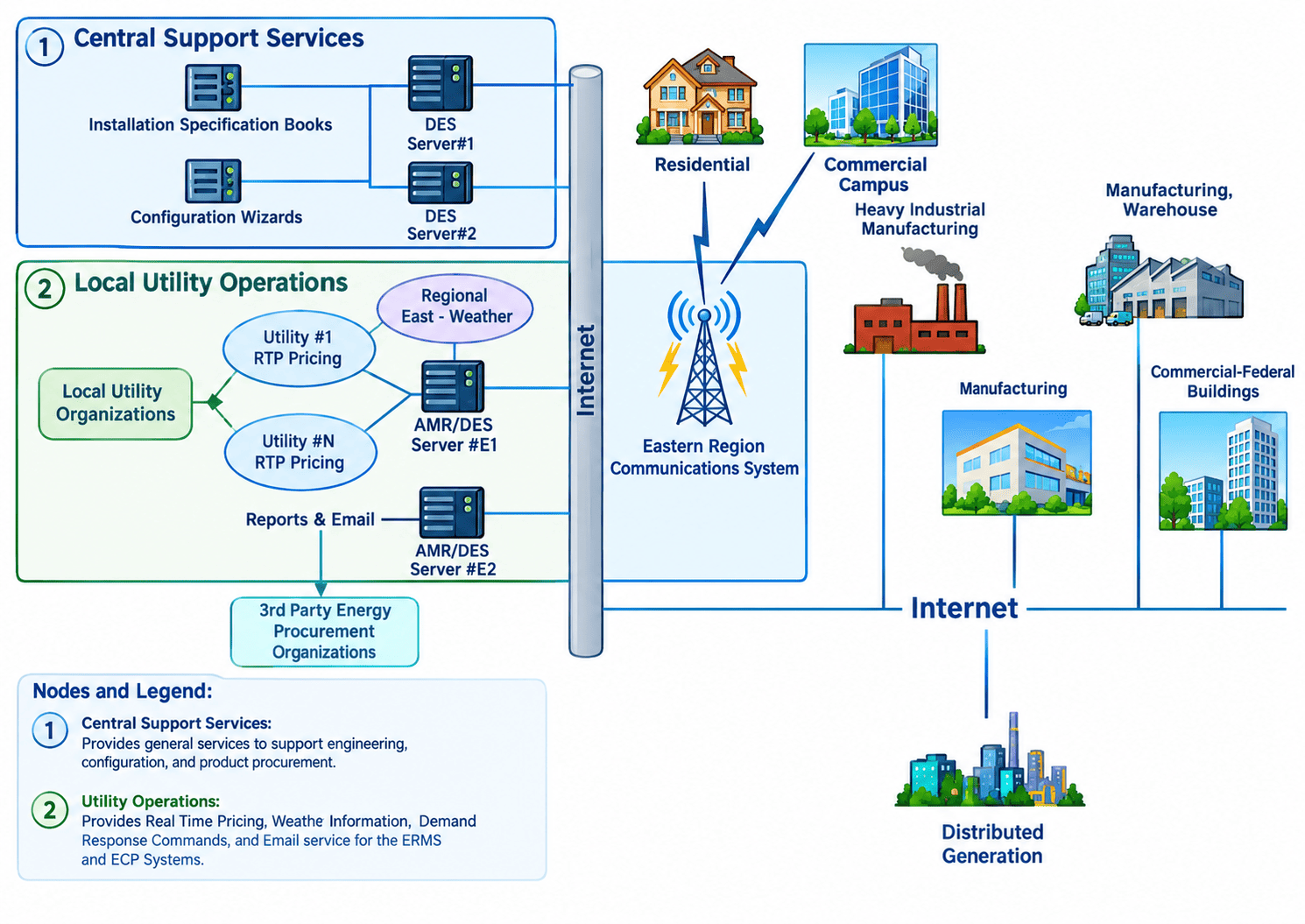
EMRS regional communications and Virtual Power Plant architecture connecting central support services, local utility operations, and business units
Light industrial energy plant
Light & Medium Industrial

ControlMaxx: A DCS in a Box

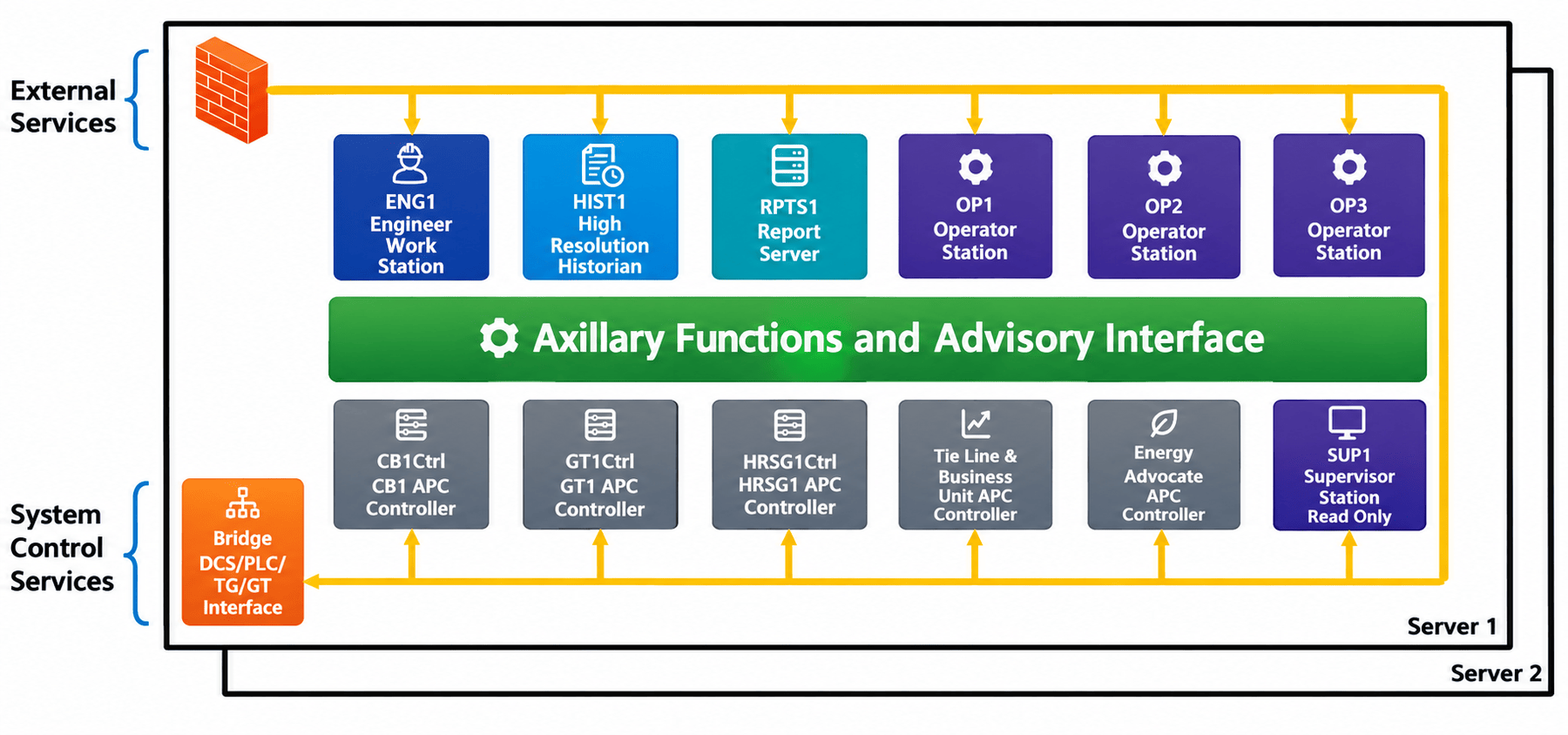
Smaller facilities get the same closed-loop benefits as large industrial sites, delivered through ControlMaxx: a high-performance DCS in a box with Process Advisor, Energy Advocate, predefined layouts, and AI configuration tools built in.

Internal processing runs in milliseconds on cost-effective standard servers. BridgeMaxx connects to your existing DCS, PLC, turbine-generator, and gas-turbine systems, so ControlMaxx layers on top of what you already have rather than replacing it.

ControlMaxx DCS in a box system architecture
Scaling Out

Fleet-Wide Implementation

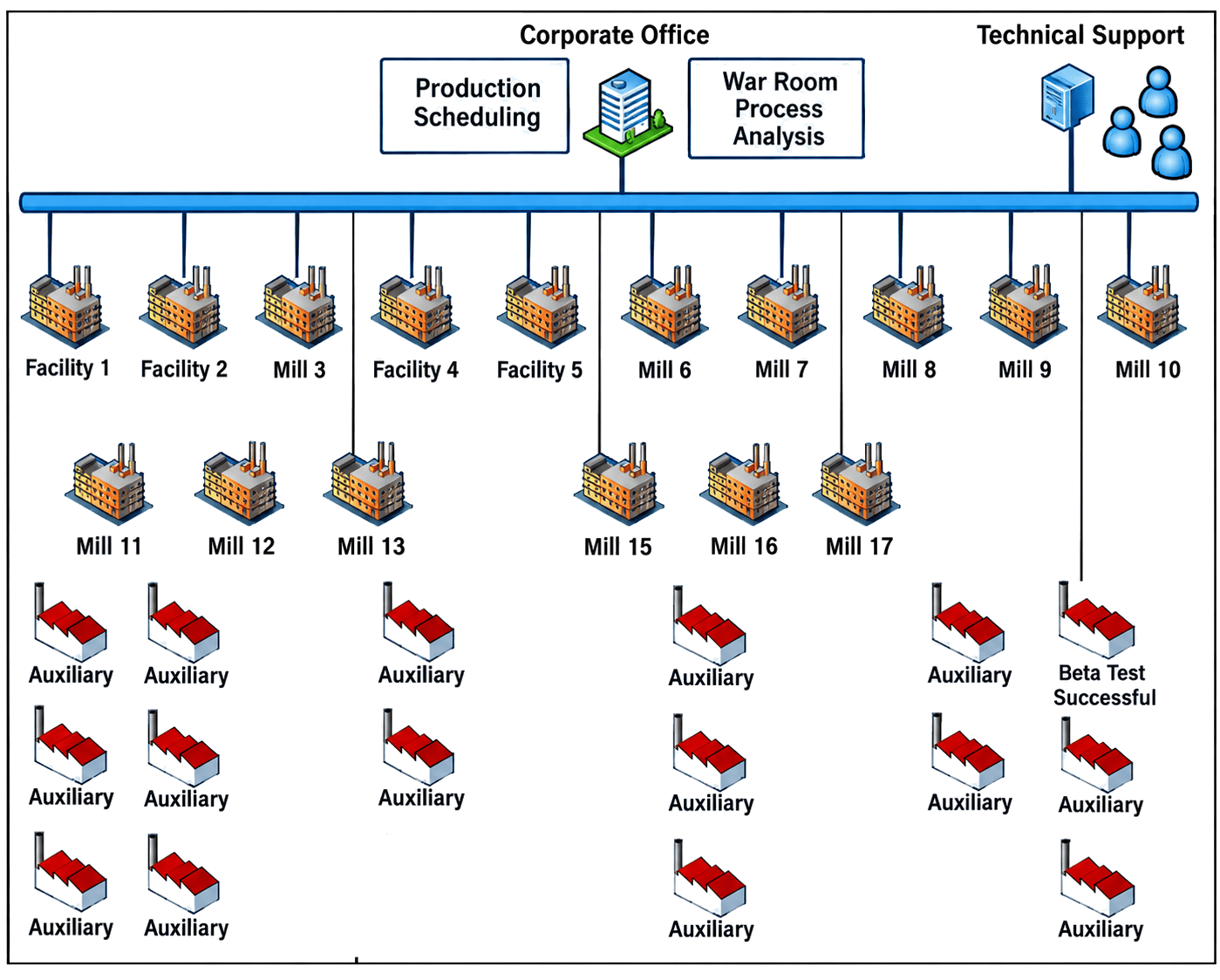
Rolling EMRS out across a fleet takes a corporate champion, a clear view of workflow impact, a scalable DCS-in-a-box approach, configuration wizards, and a reporting system built for comparison across facilities.

Fleet implementation diagram across facilities, mills, and auxiliary sites
The Path Forward

From Assessment to Sustained Performance

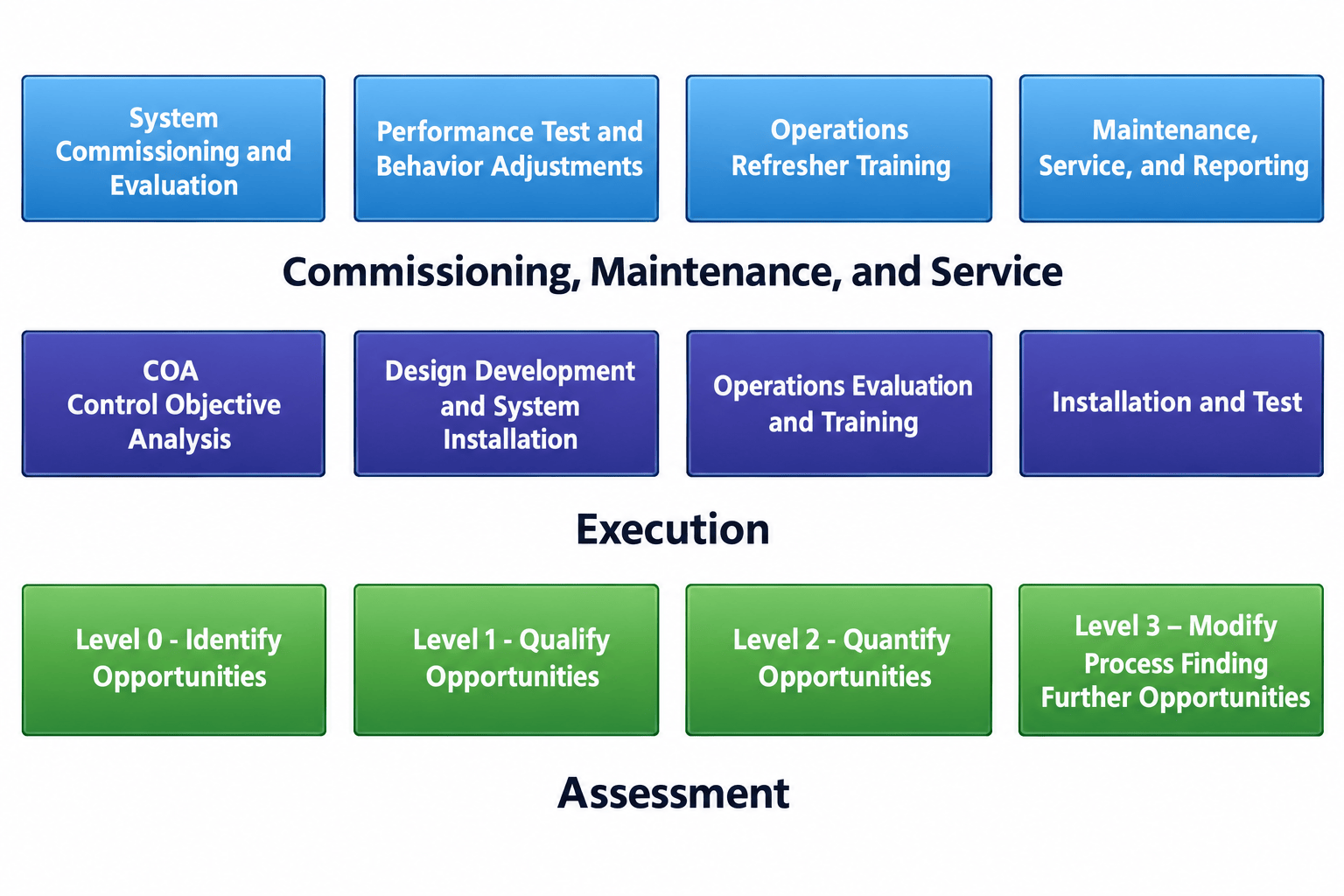
An AI-enhanced workflow: assessment identifies opportunity where savings alone don't tell the whole story, execution uses EMRS analytics to stand the system up, and ongoing maintenance and service works with the operator to shape long-term behavior.

EMRS project workflow: assessment, execution, and commissioning, maintenance and service

Assessment & Execution

  • Level 0 identifies opportunity from one to two years of energy spend and process data
  • Levels 1 and 2 qualify and quantify the opportunity with a digital twin
  • Level 3 adjusts constraints to uncover further opportunity
  • Design development uses the reporting system to guide corrections, through installation and test

Commissioning, Maintenance & Service

  • System commissioning confirms the design against real operating conditions
  • Performance testing drives behavior adjustments before sign-off
  • Operations refresher training keeps the team current as the system evolves
  • Ongoing maintenance, service, and reporting sustain performance long-term
Let's Talk About Your Fleet

See What EMRS Could Do
at Your Facility.

James Robinson and the DES engineering team are happy to walk through how this applies to your specific powerhouse, fleet, or business units. No obligation, no sales pitch, just a straight conversation.